Commissioned by
Verwey Museum Haarlem
Artists
Maya Amer – Monika Auch – Andrea Dezsö – Feminist Handwerk Party – Fine Cell Work – Marian Jongsma – Lilly Lulay – Klaas Rommelaere – Anne Verhoijsen
Curator
Kim Knoppers
Date
January 27 – April 28, 2024
Essay
Handout_D(R)AAD_Engels
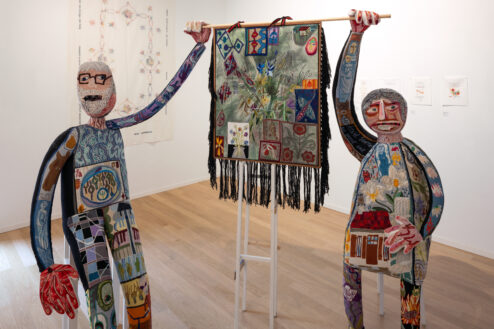
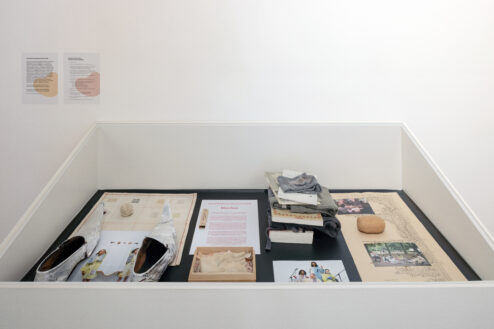
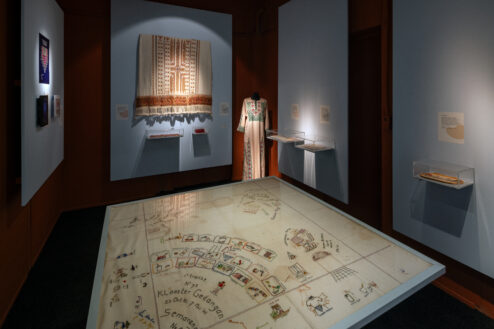
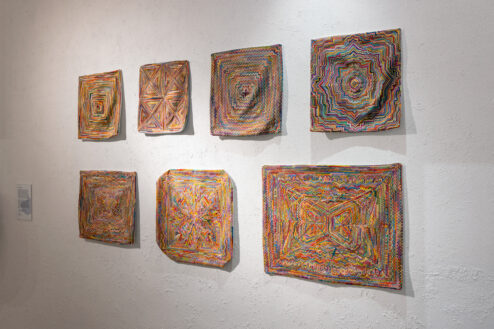
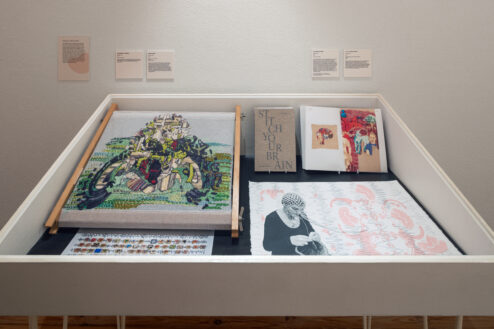
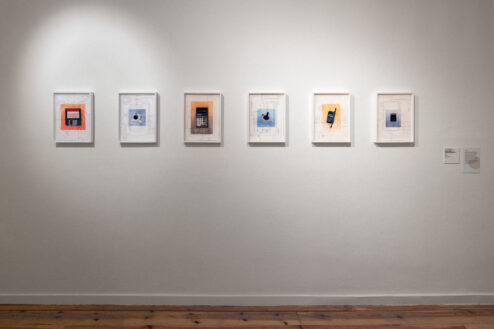
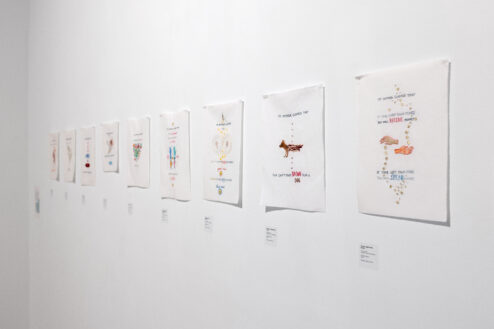
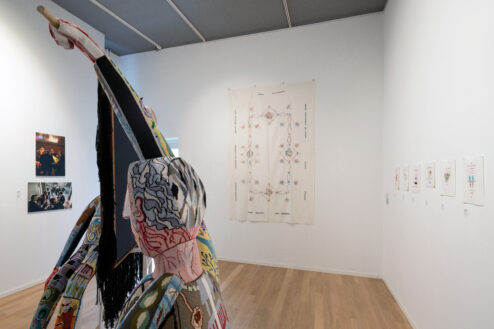
In D(R)AAD: On Embroidery as Protest and Healing, the power of embroidery as a form of resistance and a tool for healing trauma takes center stage. D(R)AAD weaves together past and present by pairing historical embroidered works with contemporary artworks and initiatives that use embroidery as a social connector.
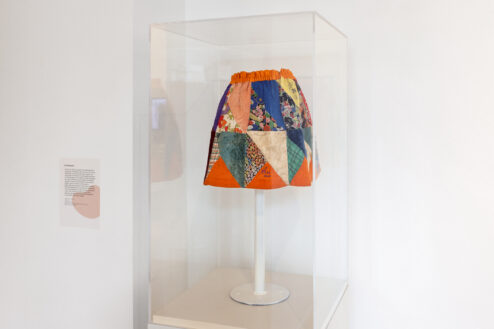
The exhibition takes its inspiration from the historical Liberation Skirt, on display in the museum’s Allemaal Haarlemmers exhibition. After World War II, women embroidered these skirts with meaningful dates and personal memories, transforming them into powerful symbols of resilience. These skirts played a role in post-war solidarity and collective healing.
Throughout history, embroidery has served many purposes: from mending and joining fabrics to decoration and the expression of status. But its political dimension is less widely recognized. Embroidery can be a quiet act of protest, a way to voice resistance under oppressive conditions. It can also offer solace and healing in times of trauma, conflict, illness, or imprisonment.
This exhibition invites visitors to rediscover the needle as a powerful tool—one that stitches together social engagement, activism, and personal transformation.
Featuring works by: Maya Amer, Monika Auch, Andrea Dezsö, Feministische Handwerk Partij, Fine Cell Work, Marian Jongsma, Lilly Lulay, Klaas Rommelaere, Anne Verhoijsen.
Public program
*February 29: Evening with the Feministische Handwerk Partij
*March 17: Lecture on Tatriz, Palestinian embroidery, by Fatima Abbadi
*March 21, 28, April 4, 11, 18: Pick Up the Thread mornings with Stella Toont
D(R)AAD is the first in a series of small exhibitions titled Let Go and Cherish, which explores how art can reshape our experience of cultural heritage. The series reflects on contemporary issues and themes through the lens of objects, stories, and topics found in the historical exhibition Allemaal Haarlemmers, offering broader, alternative perspectives that extend beyond the boundaries of Haarlem and its immediate surroundings.